
How to De-Winterize Farm Water Systems Safely – Spring Livestock Water Maintenance Guide
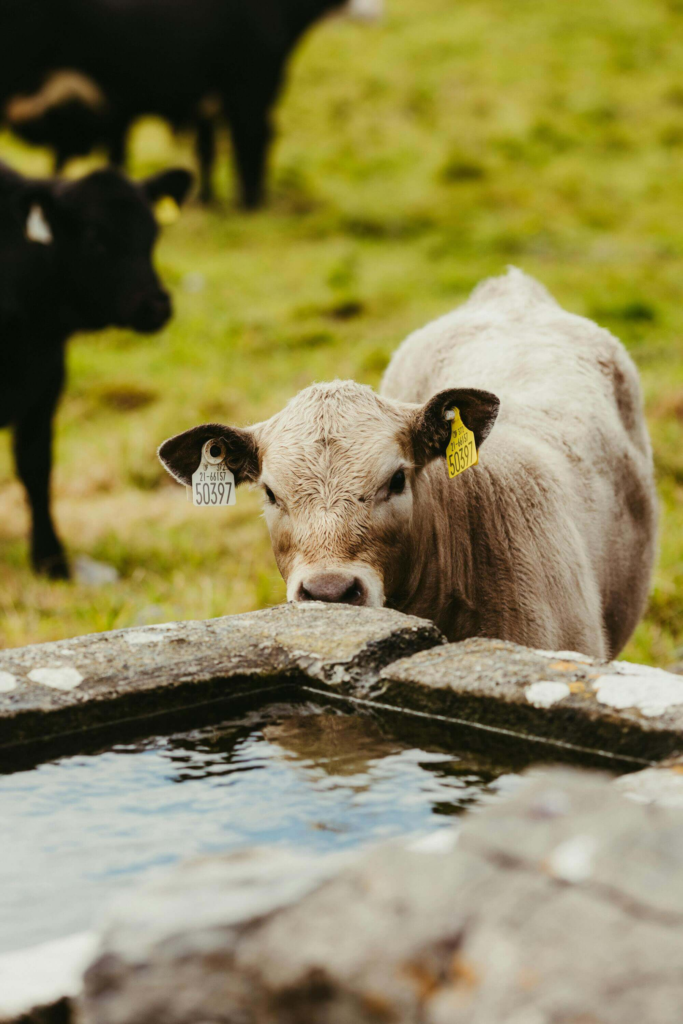
How to De-Winterize Farm Water Systems Safely
As winter fades and temperatures rise, one of the first spring maintenance tasks on many farms is to restart the livestock watering system. Pipes, valves, hydrants, and automatic waterers often remain unused for months during freezing weather, allowing hidden issues to develop.
Properly de-winterizing farm water systems helps prevent leaks, pipe bursts, clogged drinkers, and water flow problems. Taking the time to inspect and restart your system carefully ensures livestock always have reliable access to clean water.
This guide walks through the safe, practical steps for restarting farm water lines after winter.
Quick Answer: How Do You De-Winterize Farm Water Systems?
To safely de-winterize a farm water system:
- Inspect pipes, valves, and fittings for freeze damage
- Slowly turn the water supply back on
- Flush all water lines to remove debris
- Clean and sanitize livestock waterers
- Test float valves and drinkers for proper operation
- Check water pressure and flow across the system
Following these steps helps prevent leaks, clogged watering equipment, and system damage during spring startup.
Step 1: Inspect Pipes and Water Lines for Freeze Damage
Before turning on the water supply, walk through the entire system and look for signs of damage caused by freezing temperatures.
Check for:
- Cracked PVC or metal pipes
- Loose fittings and couplers
- Broken valves
- Split hoses or hydrants
- Rodent damage to insulation
Water expands when it freezes, which can cause pipes and fittings to crack during winter. Identifying these issues early prevents flooding once pressure returns to the system.
Pay special attention to low spots in water lines where water may have remained and frozen.
Step 2: Turn the Water Supply on Slowly
After inspection, gradually restore water pressure.
Steps for safe startup:
- Open the main shutoff valve slowly
- Allow pipes to fill gradually
- Listen for unusual noises in the lines
- Watch for leaks along the system
Opening valves too quickly can cause water hammer, a sudden pressure shock that can damage weakened pipes and fittings.
If leaks appear, shut off the water and repair the issue before continuing.
Step 3: Flush Farm Water Lines
Sediment, rust particles, and debris can build up inside pipes while the system sits idle over winter.
To flush the system:
- Open end-of-line hydrants or valves
- Allow water to run until it becomes clear
- Flush each branch line individually
Flushing protects automatic drinkers, nipples, and float valves from clogging when livestock begin using the system again.
Step 4: Clean and Sanitize Livestock Waterers
Livestock waterers and troughs often accumulate algae, dirt, or bacteria over the winter months.
Spring cleaning should include:
- Draining all remaining water
- Scrubbing surfaces with a stiff brush
- Using a livestock-safe disinfectant if necessary
- Rinsing thoroughly before refilling
Clean water helps support livestock health, hydration, and feed efficiency.
Step 5: Test Float Valves and Water Flow
Once water is flowing through the system, verify that all watering equipment is operating correctly.
Check that:
- Float valves shut off properly
- Automatic waterers refill at the correct rate
- Drinkers deliver a steady water flow
- No slow leaks are present
Malfunctioning valves can waste water and lead to muddy pens or flooded barns.
Step 6: Check Water Pressure and System Performance
Spring startup is also the ideal time to verify water pressure and overall system performance.
Common problems include:
- Low pressure from partial blockages
- Clogged filters or sediment traps
- Damaged pressure regulators
- Air trapped in the lines
Consistent water pressure ensures livestock always have reliable access to fresh water, especially in larger watering systems.
Spring Farm Water System Startup Checklist
Use this quick checklist when restarting your system:
✔ Inspect pipes and fittings for cracks
✔ Turn water on slowly
✔ Flush water lines until clear
✔ Clean and sanitize waterers
✔ Test floats and drinkers
✔ Check water pressure and flow
Completing these steps helps avoid leaks, clogged watering equipment, and downtime during the busy spring season.
FAQ: De-Winterizing Livestock Water Systems
When should you restart farm water systems in the spring?
Most farms restart water systems after freezing temperatures are no longer expected overnight. In colder climates, this is often late March through April.
Why should farm water lines be flushed after winter?
Flushing removes sediment, rust, and debris that may clog drinkers, valves, and watering nipples.
What happens if a farm water system is turned on too quickly?
Turning on the water too quickly can cause water hammer, which may damage pipes, fittings, and valves.
How often should livestock waterers be cleaned?
Water troughs and automatic waterers should be cleaned regularly throughout the year, especially during seasonal transitions like spring startup.
Latest Posts
- How to De-Winterize Farm Water Systems Safely – Spring Livestock Water Maintenance Guide
- How to Choose the Right Livestock Watering System for Cattle, Horses, Sheep, Goats & Poultry
- Preparing Water Systems for Spring Startup
- Propane vs Electric Farm Heaters: Cost, Performance & Reliability Comparison
- Why Winter Livestock Heating Systems Fail: 3 Things Producers Get Wrong About Winter Livestock Heating (And How to Fix It)