
Preparing Water Systems for Spring Startup
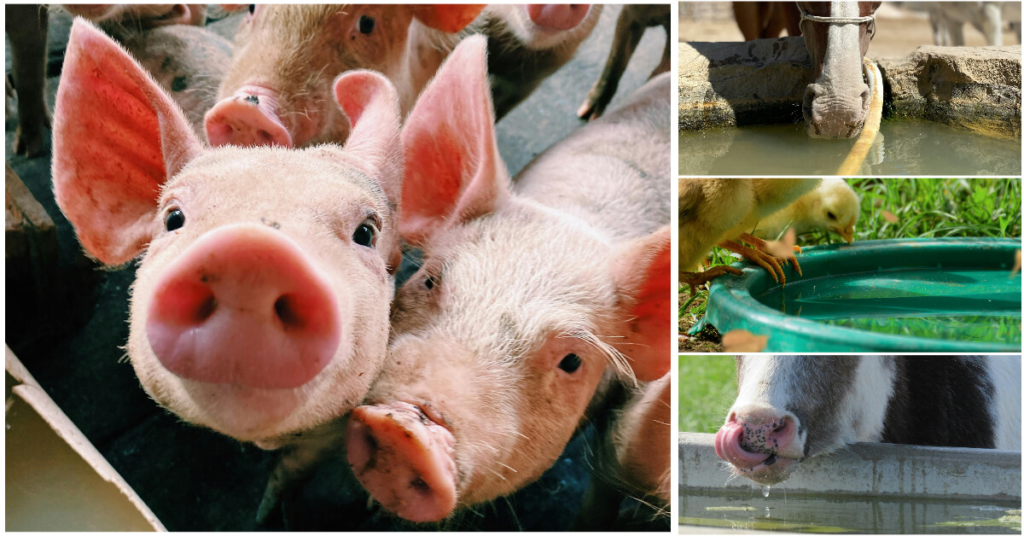
A Complete Livestock Water System Checklist for Cattle, Horses, Sheep, Goats, Poultry & Swine
How Do You Prepare Any Livestock Water System for Spring?
To prepare a livestock water system for spring startup:
- Inspect all pipes and fittings for winter damage.
- Flush and sanitize tanks, troughs, and water lines.
- Test water pressure and delivery at every drinking point.
- Replace worn nipples, cups, floats, and seals.
- Check for algae risk and water quality issues.
- Create a routine inspection schedule.
Spring water system maintenance protects animal health, improves feed efficiency, and prevents costly breakdowns during peak production months.
Why Spring Water Maintenance Is Critical for All Livestock
Regardless of species, water is the most important nutrient in animal production.
- Beef cattle may drink 10–20+ gallons per day.
- Lactating dairy cows can exceed 30 gallons daily.
- Horses consume 5–15 gallons per day, depending on workload.
- Growing pigs, sheep, and goats rely on consistent, clean water to maintain feed conversion efficiency.
- Poultry requires reliable delivery systems to prevent dehydration and production drops.
Winter causes stress on all water delivery systems: freeze cracks, mineral deposits, sediment buildup, and valve wear are common.
Neglecting spring startup increases the risk of:
- Reduced intake
- Lower weight gain or milk yield
- Increased disease pressure
- Equipment failure mid-season
Step-by-Step Spring Startup Guide
1. Inspect Pipes, Fittings, and Water Lines
Begin with a full visual inspection.
Check for:
- Freeze splits in PVC or poly lines
- Loose-threaded fittings
- Corrosion on metal components
- Leaks at junction points
- Pressure loss in long runs
Turn the water on slowly and inspect each section under pressure.
Even small leaks can waste hundreds of gallons per month and create muddy conditions around pens and pastures.
2. Flush and Sanitize Troughs, Tanks, and Lines
Stagnant winter water encourages biofilm and algae formation.
Cleaning process:
- Drain all tanks and bowls completely.
- Scrub with a livestock-safe disinfectant.
- Flush supply lines thoroughly.
- Rinse until no residue remains.
For pasture tanks used by cattle or horses, early cleaning before temperatures rise reduces the risk of algae blooms later in the season.
For enclosed barn systems (swine, sheep, goats, poultry), flushing lines removes sediment that restricts flow and contaminates drinking points.
3. Test and Adjust Water Flow Rates by Species
Water delivery needs vary significantly across livestock types.
General Flow Rate Guidelines
- Beef cattle troughs: 3–5 gallons per minute
- Dairy cows: 5+ gallons per minute during peak demand
- Horses: Consistent refill without sudden pressure bursts
- Finishing hogs: ~1 quart in 30 seconds per nipple
- Sheep & goats: Moderate flow without excessive splash
- Poultry nipple systems: Calibrated drip-free flow
Pressure nipples and cup systems must be adjusted for species size and housing style.
High-quality stainless-steel nipples and adjustable cup systems, such as those manufactured by Trojan Specialty Products, allow producers to fine-tune flow while minimizing leaks and waste.
Low flow reduces intake.
Excessive flow increases water waste, bedding moisture, and manure management challenges.
4. Inspect Drinking Hardware (Nipples, Cups, Floats & Bowls)
All mechanical drinking components should be tested individually.
Look for:
- Dripping or slow shutoff
- Sticky activation paddles
- Mineral buildup
- Worn seals
- Cracked bowls or troughs
Cup and bowl waterers reduce splash and conserve water in many barn environments.
Cast aluminum and cast iron drinking cups provide durability in high-traffic areas. Many producers appreciate interchangeable cup designs that allow upgrades without replacing entire systems.
Portable gravity-fed waterers are useful for:
- Show animals
- Isolation pens
- Temporary pasture setups
- Small ruminant housing
5. Evaluate Water Quality
Water quality affects intake more than most producers realize.
Livestock prefer:
- Clean appearance
- Neutral odor
- Moderate pH (generally 5.5–8.5 acceptable range)
- Low sediment content
Spring runoff can introduce:
- Bacteria
- Organic debris
- Fertilizer contamination
Early flushing and routine testing improve herd health outcomes.
6. Prepare for Late Spring Cold Snaps
In many regions, spring still includes freezing nights.
Confirm:
- Line insulation integrity
- Proper drainage
- Thermostat function in well houses
- GFI protection on electric heaters
Systems that include thermostatically controlled heating units should be tested before fully removing winter safeguards.
What Happens If Livestock Water Systems Aren’t Maintained in Spring?
Failure to perform spring startup maintenance can result in:
- Reduced water intake
- Lower feed efficiency
- Slower weight gain
- Reduced milk production
- Increased pathogen exposure
- Equipment failure during peak season
Water system issues often go unnoticed until performance declines.
Frequently Asked Questions
How often should livestock water troughs be cleaned?
Troughs and tanks should be cleaned at spring startup and inspected weekly. Full sanitation is recommended quarterly or whenever algae or sediment becomes visible.
How do I know if my livestock water pressure is too low?
Signs of low pressure include:
- Animals waiting at drinkers
- Incomplete trough refills
- Reduced growth or intake
- Weak nipple activation flow
Measure flow rate using a timed container test.
Are nipple drinkers or cups better for livestock?
It depends on species and housing:
- Nipple drinkers work well in confinement barns (swine, poultry).
- Cup drinkers reduce waste and splashing in many barn setups.
- Open troughs are common in pasture systems for cattle and horses.
Many producers use a combination depending on housing type.
Why is my water nipple leaking after winter?
Common causes:
- Mineral buildup
- Internal seal wear
- Freeze damage
- Debris lodged in the valve
Disassemble, clean, and inspect. Replace worn components as needed.
How can I prevent algae in livestock tanks?
To reduce algae growth:
- Clean early in spring
- Provide shade when possible
- Avoid nutrient runoff
- Flush lines regularly
Preventive maintenance is more effective than mid-season treatment.
Conclusion
Spring water system startup is a whole-operation priority — not just a maintenance task.
Reliable water delivery supports:
- Stronger weight gain
- Improved milk yield
- Better reproductive performance
- Lower stress
- Reduced labor disruptions
Whether managing cattle pastures, horse barns, swine facilities, or mixed-species farms, proactive inspection and adjustment ensures your watering system performs when animals need it most.
Durable, adjustable components, including pressure nipples, cup systems, and gravity-fed options from Trojan Specialty Products, allow producers to maintain efficient, species-appropriate hydration systems season after season.
Latest Posts
- How to De-Winterize Farm Water Systems Safely – Spring Livestock Water Maintenance Guide
- How to Choose the Right Livestock Watering System for Cattle, Horses, Sheep, Goats & Poultry
- Preparing Water Systems for Spring Startup
- Propane vs Electric Farm Heaters: Cost, Performance & Reliability Comparison
- Why Winter Livestock Heating Systems Fail: 3 Things Producers Get Wrong About Winter Livestock Heating (And How to Fix It)