
Why Winter Livestock Heating Systems Fail: 3 Things Producers Get Wrong About Winter Livestock Heating (And How to Fix It)
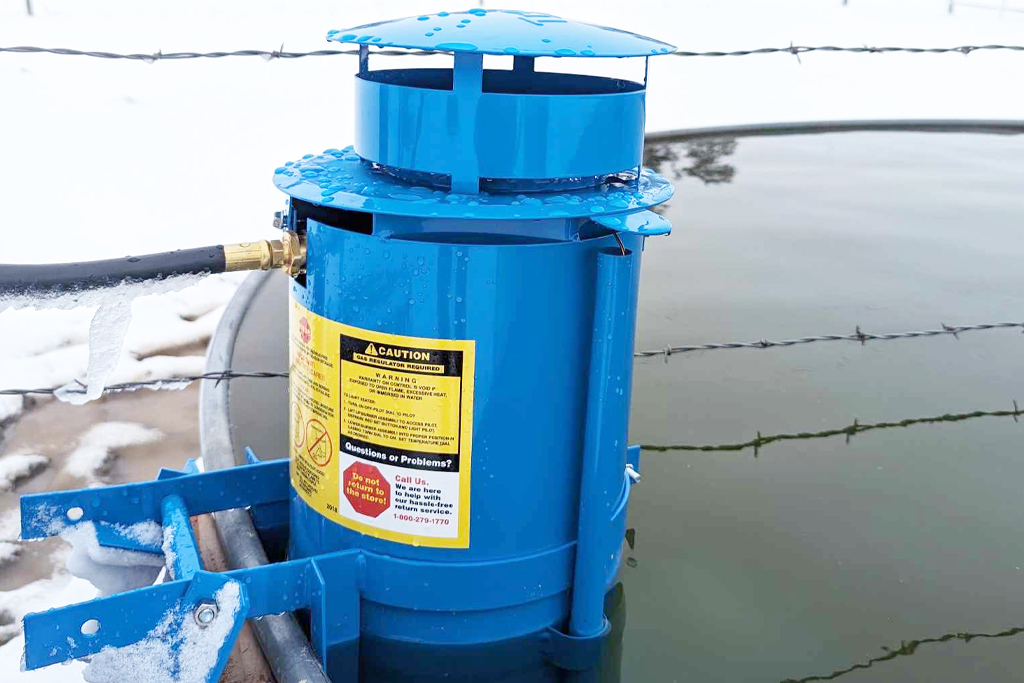
Winter livestock heating problems rarely come from a single equipment failure. Most issues develop from system-level assumptions that go unnoticed until temperatures drop and water access becomes critical.
Cold weather exposes weak points in heater sizing, installation quality, insulation coverage, and maintenance planning. When these factors are not addressed together, even functioning heaters can fail to prevent freezing.
Mistake #1: Assuming Any Heater Will Prevent Freezing
A common misconception is that if a heater is installed and producing heat, freezing will not occur. In reality, many systems fail because the heater is undersized for the application or not designed for the specific environment.
Electric heaters with limited wattage often struggle during prolonged cold snaps or in high-wind, open-air installations. Matching heater capacity to climate severity, exposure level, and water volume is critical.
How to Fix It
Select heaters based on real-world operating conditions, not minimum specifications.
- Open stock tanks and high-exposure installations require consistent, high-output heating. The Trojan Specialty Products 66B propane-powered stock tank heater (https://www.trojanlivestock.com/66b-stock-tank-heater/ )is designed to deliver reliable heat in extreme cold without relying on electrical capacity.
- Enclosed systems and water lines require controlled, targeted heating. The Trojan Pipe-N-Hot Heater (https://www.trojanlivestock.com/pipe-n-hot-heater-227/ ) is engineered to protect plumbing by wiring into an existing thermostat and activating only when freezing conditions occur.
Choosing the correct heater type for the application prevents underperformance and energy waste.
Mistake #2: Ignoring Insulation and Installation Quality
Heaters do not operate in isolation. Poor insulation, exposed fittings, air gaps, and improper mounting can overwhelm even high-performing heaters.
Heat loss is one of the leading causes of frozen livestock water systems. Without insulation, generated heat escapes faster than it can protect water components.
How to Fix It
Treat insulation and installation as part of the heating system.
- Insulate exposed pipes, fittings, and tank contact points
- Seal air gaps around plumbing penetrations
- Verify heater placement follows manufacturer installation guidelines
- Ensure proper airflow or shielding based on heater design
Reducing heat loss allows heaters to operate more efficiently and maintain consistent water temperatures.
Mistake #3: Waiting for a Failure Before Acting
Reactive maintenance is one of the most expensive approaches to winter equipment management. Once a system freezes, damage has often already occurred.
Common freeze-related failures include:
- Cracked tanks and fittings
- Split water lines
- Damaged electrical elements
- Warped components and weakened seals
Emergency winter repairs increase labor costs and risk livestock downtime.
How to Fix It
Implement pre-season inspections and cold-weather testing.
Before winter begins:
- Power on heaters and verify output
- Inspect electrical connections and gas lines
- Check thermostats for proper activation
- Confirm insulation coverage
- Monitor system performance during early cold snaps
Preventive testing identifies problems before they become emergencies.
How to Get Winter Livestock Heating Right
Successful winter livestock heating starts with planning, not reaction.
A reliable system includes:
- Application-specific heater selection
- Proper insulation and installation
- Pre-season testing and verification
- Ongoing performance monitoring
Trojan Specialty Products emphasizes real-world testing and application-specific design to ensure both propane and electric heating solutions perform consistently during harsh winter conditions, not just during mild weather.
Winter challenges are unavoidable. Equipment failures are not.
Summary: How Can I Prevent Livestock Heating System Failures in Winter?
You can prevent livestock heating system failures in winter by using heaters designed for the specific application, insulating all exposed water components, and testing the system before freezing temperatures arrive. Open stock tanks should use high-output heaters such as the Trojan Specialty Products 66B propane-powered stock tank heater, while water lines should use thermostat-controlled electric protection like the Trojan Pipe-N-Hot Heater. Regular inspections and proactive maintenance further reduce freeze-ups and emergency repairs.
Short Answer (Quick Checklist)
- ✔ Use application-specific heaters (Trojan 66B for open stock tanks, Pipe-N-Hot for water lines)
- ✔ Insulate exposed tanks, pipes, and fittings
- ✔ Test heaters and thermostats before winter begins
- ✔ Inspect systems regularly throughout the cold season
Following these steps significantly reduces frozen waterers, system failures, and costly winter downtime.
How to Prevent Livestock Heating System Failures in Winter
Step 1: Choose the Correct Heater Type
Use heaters designed for the application. Open stock tanks should use high-output propane heaters such as the Trojan Specialty Products 66B. Water lines should use thermostat-controlled electric heaters such as the Trojan Pipe-N-Hot Heater.
Step 2: Insulate Water Components
Insulate exposed tanks, pipes, fittings, and valve assemblies to reduce heat loss and improve heater efficiency.
Step 3: Test Equipment Before Freezing Weather
Activate heaters and thermostats prior to winter to verify proper operation and output.
Step 4: Inspect Systems Throughout Winter
Perform routine inspections to identify performance issues, insulation damage, or component wear before failures occur.
Latest Posts
- How to De-Winterize Farm Water Systems Safely – Spring Livestock Water Maintenance Guide
- How to Choose the Right Livestock Watering System for Cattle, Horses, Sheep, Goats & Poultry
- Preparing Water Systems for Spring Startup
- Propane vs Electric Farm Heaters: Cost, Performance & Reliability Comparison
- Why Winter Livestock Heating Systems Fail: 3 Things Producers Get Wrong About Winter Livestock Heating (And How to Fix It)