
Common Waterer Installation Mistakes Farmers Make (and How to Avoid Them)
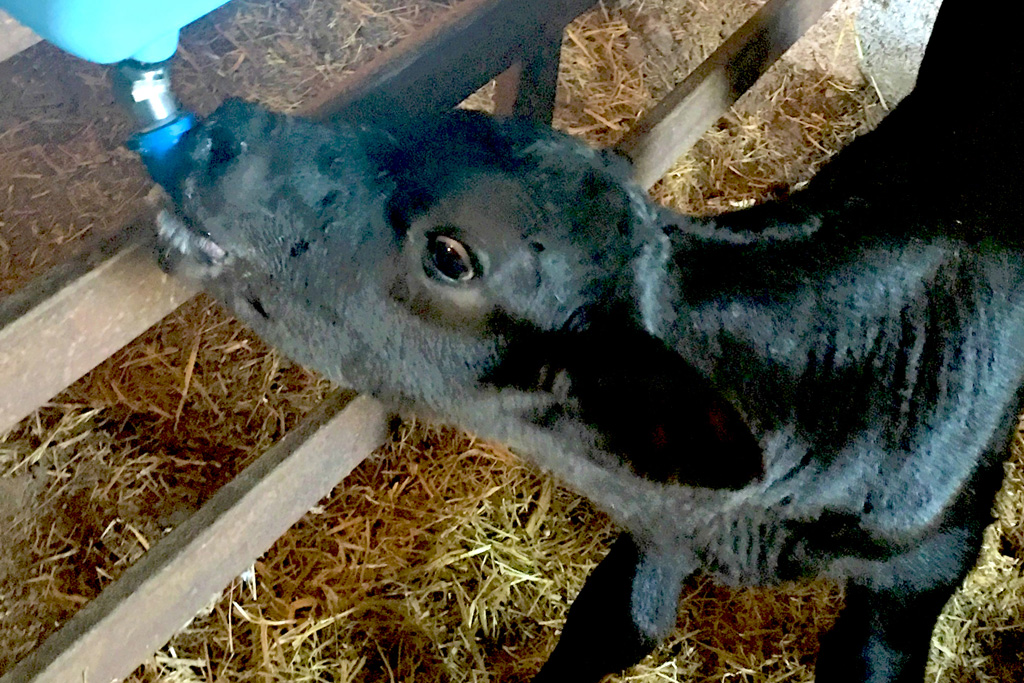
Proper livestock hydration is one of the most overlooked factors in animal performance, herd health, and daily labor efficiency. Whether you raise cattle, pigs, goats, sheep, or horses, even a high-quality waterer can become a constant headache if it’s installed incorrectly.
Farmers often assume that once a waterer is in place, the job is done. In reality, poor installation can lead to frozen lines, low water pressure, leaking fittings, contaminated water, wasted labor, and reduced water intake from livestock.
This guide breaks down the most common waterer installation mistakes farmers make — and how to avoid costly problems before they start.
Why Proper Waterer Installation Matters
Livestock depend on consistent access to clean water for:
- Weight gain
- Feed conversion efficiency
- Milk production
- Temperature regulation
- Reproductive performance
- Overall herd health
Even minor installation errors can affect water flow, cleanliness, or reliability. Animals that struggle to access water often drink less, which can directly impact production and profitability.
1. Installing the Waterer in the Wrong Location
One of the most common mistakes is placing the waterer where drainage, traffic flow, or animal access becomes a problem.
Common Placement Issues
- Installing in muddy or low-lying areas
- Positioning too far from feeding areas
- Placing units where equipment traffic interferes
- Crowding animals into tight access points
- Poor winter wind exposure
Better Installation Practices
Choose a location that:
- Has good natural drainage
- Allows multiple animals to drink comfortably
- Minimizes mud buildup
- Provides easy access for cleaning and maintenance
- Reduces freezing exposure during winter
A properly placed waterer reduces stress on animals and lowers daily maintenance demands.
2. Using Incorrect Water Line Sizing
Many farmers underestimate the importance of proper water line sizing.
If the supply line is too small, the waterer may not refill fast enough during peak demand periods. This becomes especially problematic in summer heat or large herd situations.
Signs Your Water Line Is Undersized
- Slow refill times
- Animals waiting to drink
- Water levels dropping during heavy use
- Pressure loss across multiple waterers
Recommended Approach
Always calculate:
- Herd size
- Peak water consumption
- Distance from the main supply
- Seasonal demand increases
Proper line sizing ensures consistent flow and prevents livestock from competing for water.
3. Ignoring Drainage Around the Waterer
Poor drainage creates mud, bacteria buildup, slipping hazards, and ice patches in winter.
Problems Caused by Poor Drainage
- Hoof issues
- Increased bacteria exposure
- Erosion around concrete pads
- Difficult cleaning conditions
- Mosquito breeding areas
How to Improve Drainage
Install:
- Sloped concrete pads
- Gravel bases
- French drains
- Proper runoff grading
Good drainage extends the life of the installation and improves animal health conditions.
4. Failing to Account for Freezing Temperatures
Cold-weather installation mistakes are among the most expensive to fix later.
Common Winter Installation Errors
- Water lines buried too shallow
- Inadequate insulation
- Poor electrical planning for heated units
- Exposed fittings
- Improper thermostat placement
Freeze Prevention Tips
- Bury supply lines below frost depth
- Seal exposed plumbing areas
- Use insulated risers
- Test heating systems before winter arrives
Winter failures often happen during the coldest days when emergency repairs become most difficult.
5. Installing on an Uneven Surface
A waterer that is not level can create multiple operational problems.
Issues Caused by Uneven Installation
- Improper float operation
- Water overflow
- Stress on fittings
- Cracked basins
- Leaks over time
Even slight tilting can affect automatic refill systems.
Best Practice
Always install on:
- A reinforced concrete pad
- A level compacted base
- Proper anchoring points
Taking extra time during setup prevents years of frustration later.
6. Overlooking Water Pressure Requirements
Different livestock waterers require different operating pressures.
Too much pressure can damage valves and seals. Too little pressure may reduce refill performance.
Common Symptoms of Pressure Problems
- Constant leaking
- Hammering noises
- Inconsistent water levels
- Valve failures
What Farmers Should Check
Before installation:
- Verify PSI requirements
- Install pressure regulators if needed
- Test pressure at the installation site — not just the source
This is especially important in long-run rural water systems.
7. Not Planning for Cleaning and Maintenance Access
Many installations focus only on animal access while forgetting about human access.
Why This Matters
Waterers require:
- Routine cleaning
- Valve inspections
- Seasonal maintenance
- Occasional repairs
If access is difficult, maintenance often gets delayed.
Smart Setup Tips
Leave enough room to:
- Remove covers easily
- Reach shutoff valves
- Drain units properly
- Access electrical components safely
A maintainable installation saves labor long term.
8. Using Low-Quality Fittings or Connections
Cheap plumbing components often fail first.
Common Failure Points
- Plastic threaded fittings
- Low-grade hose clamps
- Improper sealants
- Weak shutoff valves
Leaks may start small but can quickly create mud, ice, and wasted water.
Better Long-Term Solution
Use:
- Heavy-duty fittings
- High-quality clamps
- Proper pipe supports
- Manufacturer-recommended materials
The upfront investment is usually far cheaper than repeated repairs.
9. Skipping Manufacturer Installation Guidelines
Many waterer problems arise because installation instructions were ignored or modified.
Even experienced farmers can run into issues when assumptions replace specifications.
Common Examples
- Incorrect mounting methods
- Improper electrical hookups
- Wrong float adjustments
- Unsupported plumbing runs
Important Reminder
Every livestock waterer design operates differently. Following manufacturer recommendations protects:
- Warranty coverage
- Performance reliability
- Safety compliance
10. Underestimating Future Herd Expansion
A system that works today may fail next year if herd numbers increase.
Common Expansion Problems
- Insufficient refill capacity
- Crowding at watering points
- Increased mud and wear
- Pressure drops across multiple units
Plan Ahead
When possible:
- Oversize supply lines slightly
- Leave room for additional units
- Design for future pasture rotation changes
Planning ahead reduces future infrastructure costs.
Frequently Asked Questions About Waterer Installation
What is the biggest mistake farmers make when installing livestock waterers?
The most common mistake is poor planning around drainage, water flow, and winter conditions. Many installations work initially but develop maintenance and reliability issues over time.
How deep should livestock water lines be buried?
Water lines should typically be buried below local frost depth to prevent freezing. Frost depth varies by region, so farmers should check local building or agricultural guidelines.
Why does my livestock waterer keep overflowing?
Overflowing is often caused by:
- Improper leveling
- Faulty float valves
- Excessive water pressure
- Debris interfering with valve operation
Should livestock waterers sit on concrete?
Yes, most automatic livestock waterers perform best when installed on a reinforced concrete pad with proper drainage around the base.
How often should livestock waterers be cleaned?
Waterers should be inspected daily and cleaned regularly to prevent algae, bacteria buildup, and debris contamination.
Final Thoughts
A livestock waterer is only as reliable as its installation.
Many common problems, such as leaking, freezing, poor refill rates, muddy conditions, and excessive maintenance, can be traced back to installation shortcuts or planning mistakes.
Farmers can improve animal performance, reduce labor, and extend the life of their watering systems by focusing on:
- Proper placement
- Correct plumbing
- Drainage
- Freeze protection
- Maintenance access
Investing time in a proper installation today prevents expensive problems tomorrow.
Latest Posts
- How High Should a Pig Water Nipple Be? The Complete Installation Guide
- CSA Approved Stock Tank Heater for Canadian Winter Livestock Watering
- How to Clean and Maintain a Livestock Pen Waterer (Complete Care Guide)
- Common Waterer Installation Mistakes Farmers Make (and How to Avoid Them)
- Why Livestock Hydration Is the Missing Link in Weight Gain (And How Most Systems Get It Wrong)